
Managed Office vs Traditional Office Lease: Which Is Better for Your Business?
Choosing Managed Office vs Traditional Office for Lease is one of the most important decisions a growing business can make. The office you select impacts everything from employee productivity and operational efficiency to brand perception and long-term costs. As businesses in Bangalore continue to expand and adapt to changing workplace trends, one question is becoming increasingly common: Should you choose a managed office or a traditional office lease?
The answer is not always straightforward. Every business has unique requirements, budgets, growth plans, and workplace preferences. While some companies value flexibility and convenience, others prefer complete control over their workspace. This is why understanding the differences between a Managed Office vs Traditional Office Lease is essential before making a commitment.
In recent years, managed office spaces have gained significant popularity among startups, technology firms, GCCs, and rapidly growing businesses. These offices provide fully furnished and operational workspaces that allow companies to move in and start working immediately. On the other hand, traditional office leases remain the preferred option for organizations seeking long-term stability, customization, and complete control over their office environment.
For businesses looking for commercial office space Bangalore, the decision often comes down to balancing flexibility, cost, scalability, and operational responsibilities. Understanding the advantages and limitations of both options can help organizations make informed decisions that align with their business goals.
In this guide, we will compare managed offices and traditional office leases in detail, examine their costs, benefits, challenges, and ideal use cases, and help you determine which option is best suited for your business in 2026 and beyond.
Understanding Managed Offices
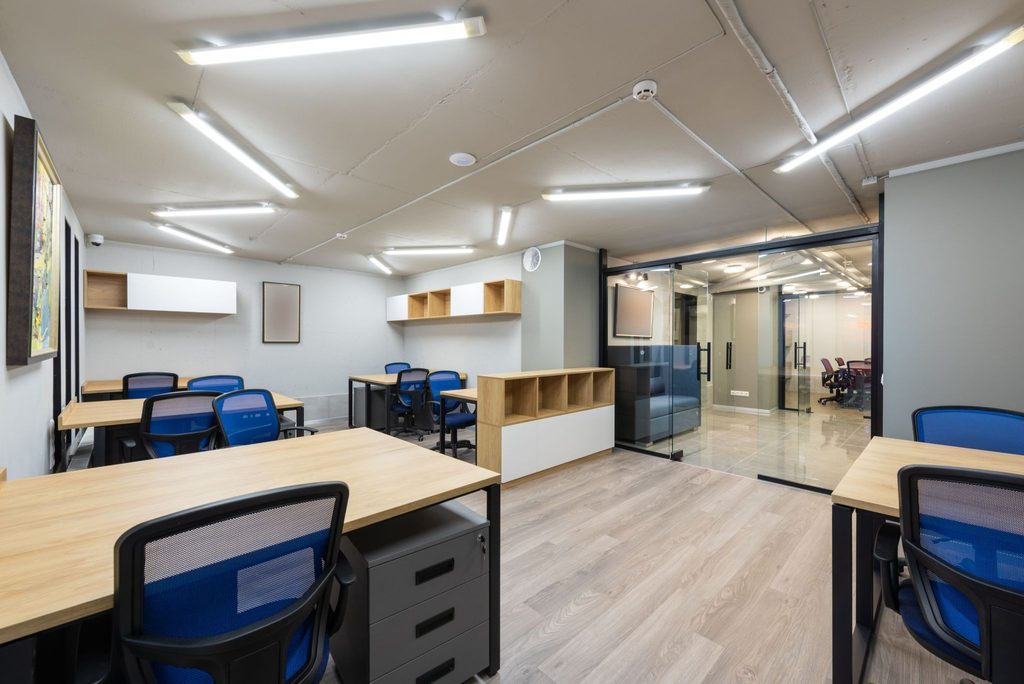
A managed office is a fully serviced workspace provided by an operator who takes care of everything required to run the office.
Key Features of Managed Offices
- Fully furnished workspaces
- Ready-to-use meeting rooms
- Reception and front desk services
- Internet and IT infrastructure
- Facility management and maintenance
Unlike conventional leasing, businesses do not need to spend time setting up furniture, utilities, or office infrastructure.
Why Businesses Prefer Managed Offices
Managed offices have become popular because they simplify office operations and reduce setup timelines. Companies can focus entirely on their business while the workspace provider manages day-to-day office requirements.

What Is a Traditional Office Lease?
A traditional office lease involves renting commercial office space directly from a property owner for a fixed period, usually ranging from three to nine years.
Under this model, businesses lease a bare-shell or warm-shell office and are responsible for setting up interiors, furniture, technology infrastructure, maintenance contracts, and operational services.
Traditional leasing offers greater control over workspace design and operations. Businesses can create customized office environments that reflect their brand identity and operational requirements. However, this model also requires greater investment, planning, and management effort.
Companies with stable growth projections often prefer traditional leases because they provide long-term occupancy security and greater cost predictability over time.
Managed Office vs Traditional Office Lease: Key Differences
| Factor | Managed Office | Traditional Office Lease |
| Setup Time | Immediate | Several weeks or months |
| Initial Investment | Low | High |
| Furnishing | Included | Separate expense |
| Flexibility | High | Limited |
| Lease Tenure | Short to Medium | Long Term |
| Maintenance | Managed by Provider | Managed by Tenant |
| Scalability | Easy | More Complex |
| Customization | Limited | Extensive |
| Operational Responsibility | Low | High |
| Expansion Capability | Flexible | Depends on Availability |

Benefits of Choosing a Managed Office
Businesses looking for flexibility often find managed offices highly attractive.
1. Faster Occupancy
Companies can move in immediately without waiting for office fit-outs or infrastructure installation.
2. Lower Upfront Costs
There is no need for significant capital expenditure on furniture, networking, or office interiors.
3. Easy Scalability
Businesses can quickly add or reduce seats based on changing requirements.
4. Simplified Operations
Facility management, maintenance, housekeeping, and utilities are handled by the operator.
5. Predictable Monthly Costs
Most expenses are consolidated into a single monthly payment, making budgeting easier.
These advantages make managed offices particularly suitable for startups and fast-growing companies.

Advantages of Traditional Office Leasing
For many established businesses, traditional leasing remains the preferred choice.
Complete Brand Customization
Organizations can design the office according to their culture, workflow, and branding requirements.
Greater Privacy
Dedicated office environments offer better confidentiality and security.
Long-Term Cost Efficiency
For companies planning to stay in one location for several years, traditional leasing may become more cost-effective over time.
Stronger Corporate Identity
A customized office creates a more professional image for employees, clients, and stakeholders.
Better Control
Businesses retain full control over office operations, layouts, policies, and future modifications.
Which Option Is More Cost Effective?
The answer depends largely on the business stage and growth plans.
Managed Office Costs
Managed offices typically include:
- Rent
- Maintenance
- Furniture
- Utilities
- Internet
- Housekeeping
- Security
Although the monthly rental rate may appear higher, businesses save significantly on setup and operational expenses.
Traditional Lease Costs
Traditional leases generally involve:
- Security deposit
- Interior fit-out costs
- Furniture investment
- Technology setup
- Facility management
- Utility contracts
- Ongoing maintenance
While long-term occupancy may reduce overall costs, the initial investment is significantly higher.
Businesses should evaluate both short-term and long-term expenses before making a decision.
Which Businesses Should Choose Managed Offices?
Managed offices are often the best choice for:
- Startups
- New market entrants
- GCC pilot teams
- Growing technology companies
- Project-based teams
These organizations benefit from flexibility and lower capital expenditure while maintaining professional work environments.

Which Businesses Should Choose Traditional Leasing?
Traditional office leasing is generally suitable for:
- Large enterprises
- Established corporations
- Financial institutions
- Consulting firms
- Companies requiring extensive customization
Organizations with stable workforce requirements often find traditional leases more aligned with their long-term objectives.
Why Login Realty Is the Right Partner for Office Leasing Decisions
Choosing between a managed office and a traditional lease requires more than comparing rental costs. Businesses must evaluate growth plans, employee requirements, operational priorities, and long-term objectives. Login Realty helps companies navigate these decisions with expert market insights and tailored real estate solutions.
With extensive experience in Bangalore’s commercial real estate market, Login Realty assists businesses in identifying the most suitable workspace options across key business districts such as Whitefield, Outer Ring Road, Hebbal, Electronic City, Koramangala, and CBD locations. Whether a company is looking for a flexible managed office or a long-term traditional office lease, Login Realty provides end-to-end support throughout the selection and negotiation process.
Their consultative approach ensures businesses choose workspaces that align with operational needs, budget considerations, and future expansion plans. This expertise makes Login Realty a trusted partner for organizations seeking commercial office space Bangalore and office leasing Bangalore solutions.
Conclusion
The debate around Managed Office vs Traditional Office Lease does not have a one-size-fits-all answer. The right choice depends entirely on your business goals, growth trajectory, operational priorities, and financial strategy.Managed offices offer flexibility, convenience, lower upfront investment, and faster occupancy. They are ideal for startups, rapidly growing companies, and organizations that value agility. Businesses can focus on growth while leaving workspace management to experienced operators.
Traditional office leases, on the other hand, provide greater control, customization, privacy, and long-term stability. They are particularly suitable for established organizations that require dedicated work environments and have predictable space requirements.
As workplace expectations continue to evolve, many companies are also exploring hybrid strategies that combine the benefits of both models. Some organizations begin with managed offices and transition to traditional leases as they scale. Others maintain a mix of flexible and permanent office spaces across different locations.Before making a decision, businesses should carefully assess their current needs and future plans. Factors such as team size, budget, growth projections, operational complexity, and brand requirements all play a crucial role in determining the ideal workspace solution.
Whether you choose a managed office or a traditional lease, partnering with experienced commercial real estate advisors like Login Realty can help simplify the process and ensure you make a decision that supports long-term business success. The right office is more than just a workplace. It is a strategic investment in your company’s future.
Leave a Reply